
Valley Stream Previous Residents by Era
A Valley Stream address trail has distinct eras. Nassau County land records begin with the County era, while electronic access and document images begin much later. Local printed material can bridge some gaps, but no source promises every address in every year. Start with the source closest to the time being researched and retain the address form, SBL, title, date, and page or document number. A current property record is an entry point into the past, not a shortcut to a complete household history.
| Source | Years It Covers | Where Held | What It Shows |
|---|---|---|---|
| Recorded county land books | Since the 1899 County era | Nassau County Clerk | Recorded deeds, mortgages, maps, and linked property evidence |
| Electronic Clerk database | Introduced July 1992 | Nassau online land index | Party, document, date, book, page, and number leads |
| Portal document images | February 22, 1994 to present | County land index | Account and pay-per-access images |
| Lain's Long Island directory | 1878-79 | VSHS digitized material | Early regional name and business context |
| Polk Valley Stream directory | 1923-24 | VSHS citation evidence | Confirmed title and scope; volume access needs checking |
| Local newspapers | 1923 onward through later titles | Waldinger holdings | Notices, moves, obituaries, and street-name context |
| Federal census schedules | Released under the 72-year rule | National Archives and library resources | Dated household context when available |
The County Clerk describes archives reaching back to 1899, its electronic database as introduced in July 1992, and online images from February 22, 1994. These are access markers, not proof that every earlier item is absent or that an address appears in all sources. Before choosing a search path, identify whether the question concerns a recorded transfer, a household at a date, a building change, or an earlier map reference.
Valley Stream SBL Before Names
The Nassau Land Records Viewer is the address-first opening move. It accepts a house number, street name, town, and ZIP, or a section, block, and lot. Copy the displayed SBL exactly. Nassau warns that Assessment and County Clerk SBL formats can differ, so a value copied from one system should not be altered to fit the other. The Viewer supplies parcel placement, assessment information, tax maps, property photographs, past tax and rate data, exemptions, comparable sales, and a GIS link.
Use the SBL, legal Village or town field, and property description to anchor an address before looking for names. The public landing page did not expose owner-name search, and a record owner or mailing address is not the same thing as an occupant. This extra check matters in postal Valley Stream areas that extend beyond the incorporated Village. A dated Village tax roll can add owner-mailing and deed-reference context, but it should remain labeled as a dated property record.
Valley Stream's 1994 Image Cutoff
Nassau County's Official Records Search provides a free index, but the portal describes document images from February 22, 1994 forward. Images require an account and pay-per-access, while certified copies come from the County Clerk. The index provides a way to locate a record even when an image cannot be opened. Preserve the party role, document type, file date, document number, book and page, and legal description before moving to an older transaction.
For Valley Stream research before the online image range, use the last verified citation at the County Clerk's Map Room, Room B-1, 240 Old Country Road in Mineola. The County Clerk's published procedures also provide counter, mail, delivery, lobby-drop-box, and in-person request channels. A missing portal image does not mean no deed was recorded. It may call for index books, property cards, map files, or a clerk-assisted copy request. Note: A recorder index is a research trail, not a substitute for a formal title examination.
Tracing Valley Stream Deeds Backward
Past owners are traced one recorded transaction at a time. Begin with the parcel, then locate the current or recent recorded deed by party and date range. The Nassau search offers name, document, book, section, reference, and recorded-date modes within its deed and mortgage group. A common name needs a narrow date or document type. The deed's seller becomes the next person to search for as a grantee, because that earlier acquisition is the link to the prior transfer.
- Enter the Valley Stream address in LRV and retain the SBL, parcel details, and any legal description.
- Find a current or recent recorded deed in the Clerk index, then save its grantor, grantee, type, file date, document number, book, page, and legal description.
- Search the seller from that deed as a grantee, narrowing by document type and recorded date when needed.
- Repeat the prior-acquisition step one transfer at a time, checking that the legal description and parcel evidence remain consistent.
- Bring the last known citation to Room B-1 when the trail reaches material not supplied by the online image system.
- Grantor
- The party transferring an interest in a recorded instrument.
- Grantee
- The party receiving that interest. In a backward search, a later seller may appear as grantee on an earlier deed.
- Chain of title
- The dated sequence of recorded transfers used to follow an interest in one property.
- Legal description
- The recorded parcel description. It often holds steady when a street address or its spelling changes.
Valley Stream Deed Fields to Keep
A search result can be useful even before the document image is available. The inspected Nassau index returned Type or party role, Name or Corporation, Book, Page, Type Description, File Date, Document Number, number of pages, View Image, and Add to Basket. One non-personal organization search demonstrated those fields, not a current-property result. Keep the record citation with each step so the next search can be reproduced at the Clerk counter or against an image.
| Party role | Shows whether a name is attached as grantor, grantee, or another recorded role. |
|---|---|
| File date | Places the recorded event in time; do not confuse it with a claim about who occupied the property. |
| Book and page | Older-style locator fields that can support counter or map-room retrieval. |
| Document number | A distinct record locator used for narrowing or requesting a copy. |
| Legal description | Links a transaction to the same land when address wording changes. |
A party to a record can be a trustee, corporation, lender, attorney, or owner rather than a resident. Compare the party role with the parcel and date before folding it into a Valley Stream house history.
Valley Stream Maps Before County Records
The Valley Stream Historical Society is the closest place to ask for the 1870 and 1871 Litchfield maps, an 1880 hand-drawn map created in 1944, maps and streetscapes, and a referenced July 1918 Sanborn image. The image and historic street material help test whether a street name or layout changed before matching a modern house number. Direct, complete Sanborn coverage was not confirmed, so describe the cited 1918 image rather than claiming a full series.
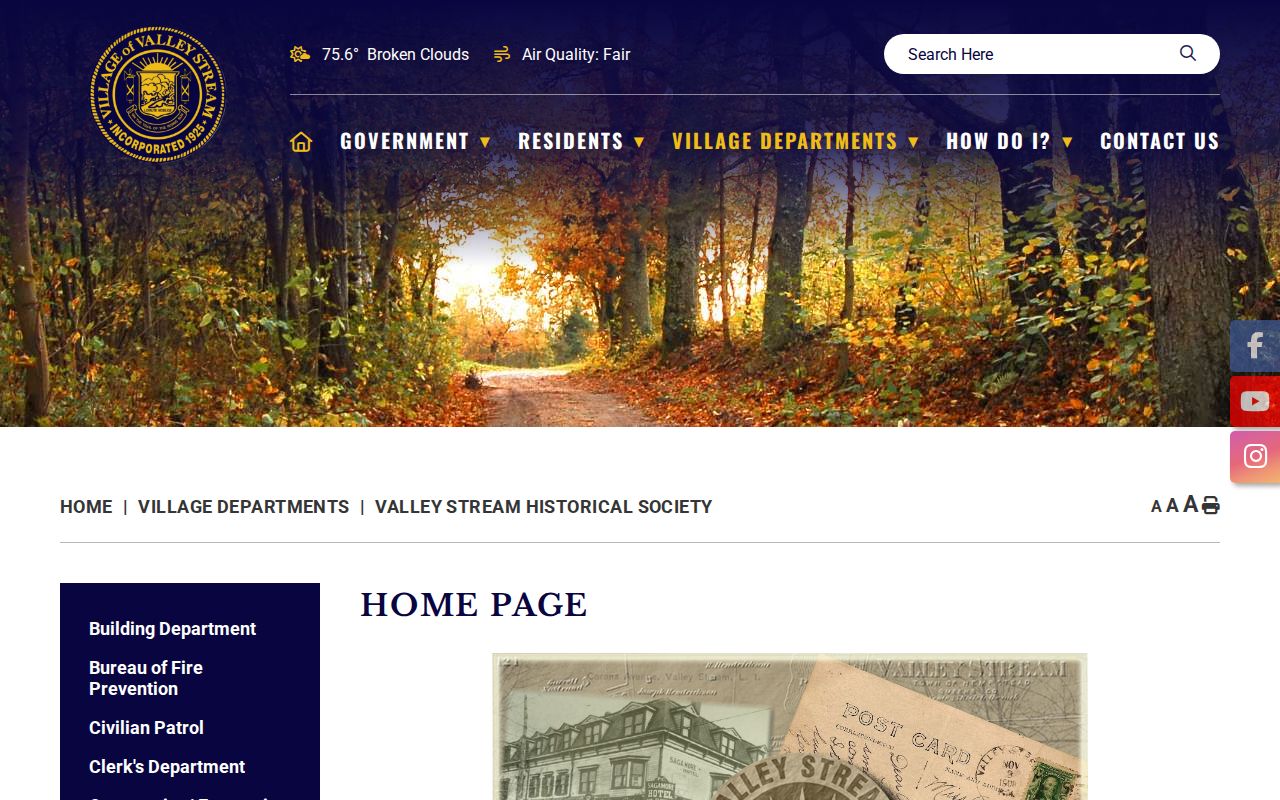
The Historical Society can connect an address question to maps, local publications, oral histories, and a research visit. It cannot turn an old map label into a current-residency claim. VSHS is at the Pagan-Fletcher Restoration, 143 Hendrickson Avenue, generally open Sundays from 1 to 4 p.m.; research visits can be arranged in advance.
The New York State Archives research gateway is a state-level escalation path when the Valley Stream and Nassau shelves do not reach the requested period. The boundary matters: Litchfield's 1870 property plan was filed in Queens County because Nassau County formed in 1899. The Village municipal trail begins in the 1925 incorporation period. A pre-County map or land lead can require Queens-era repository research rather than a Nassau search.
The State Archives route supports a wider catalog and research fallback, but an item still needs its exact county, municipality, date, and collection verified. Historic names such as Chapel Avenue for Wheeler Avenue should stay beside the current form while comparing maps and records.
Valley Stream Previous Residents in Print
Printed sources can fill the time between land transfers, but each has a limited purpose. VSHS digitized Lain's Directory of Long Island for 1878-79, a regional source that predates the Village. The confirmed later title is the 1923-24 R. L. Polk & Co. directory for Valley Stream and nearby communities. It establishes title, publisher, scope, and year, but no inspected entry page, shelf location, scan, or numerical section. The historical collection details belong with the Valley Stream city directory collections.
Waldinger's documented newspaper runs provide more dated local context: The Outlaw, then Valley Stream Mail, Mail and Gibson Herald, MAILeader, and Valley Stream Herald. A notice, obituary, business item, or street-name reference can support a date and place, although newspaper spelling can be wrong. No Valley Stream numerical or criss-cross directory holding was confirmed, so ask Waldinger or VSHS for a named street-order volume instead of assuming an alphabetic book works by address.
Matching Valley Stream Directories and Census
Household evidence needs more than a deed. Begin with a named, dated directory or newspaper item, then pair it with the nearest released federal census schedule. The published 72-year rule controls the public release schedule. Valley Stream's historic street names and the fact that 1930 is identified locally as the first census to show both actual house number and street name create an important limit for older address matching. Match the municipality, enumeration date, and address detail that the record actually supplies.
- Preserve the directory or newspaper title, issue date, page, original spelling, and address form.
- Check a same-period map or street-name source before assuming the historic street matches its modern name.
- Locate the closest released census, then compare its municipality, enumeration date, names, and available street or house number.
- Use the SBL, tax roll, or legal description to return the historical address to the parcel trail.
- Mark a conflict as unresolved until a dated deed, probate record, map, or additional newspaper item explains it.
The National Archives at New York City provides the regional federal-record research channel for census and related archival work. Released federal schedules supply context, not a modern address list.
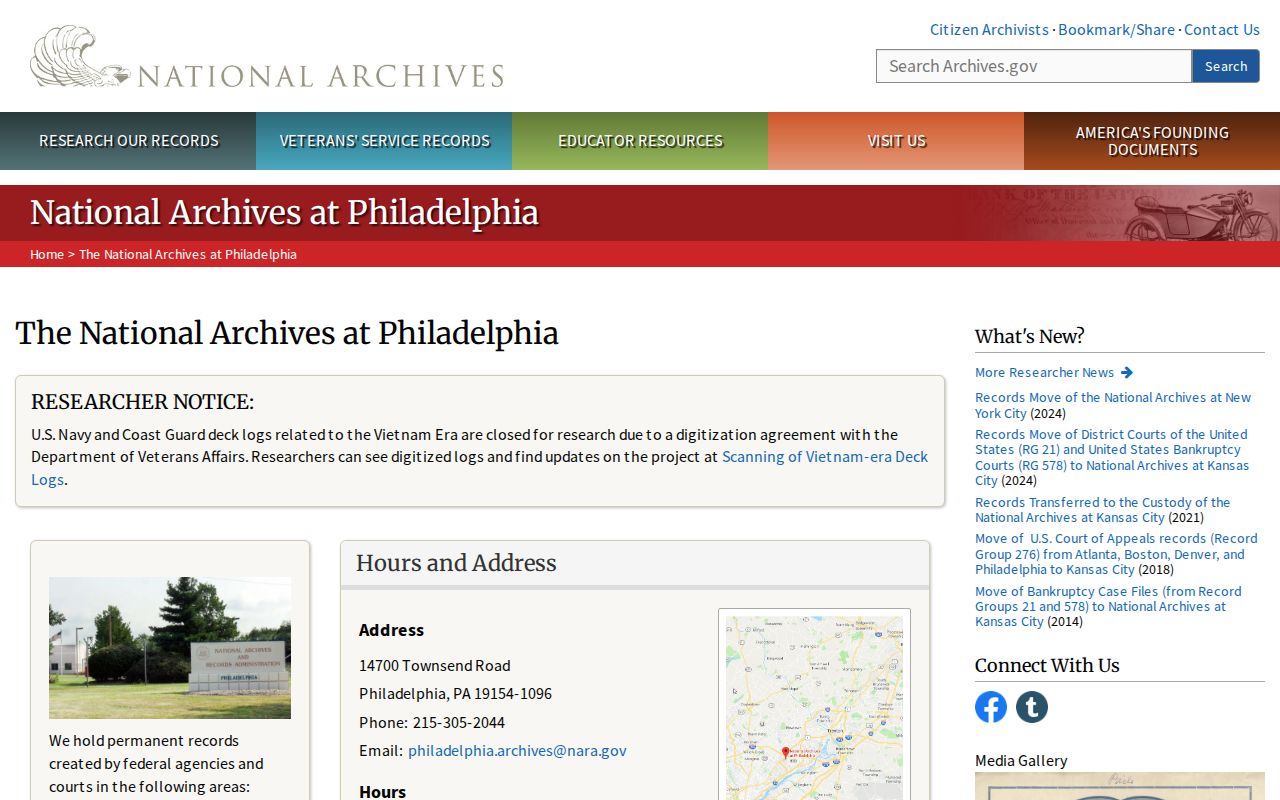
The National Archives is most useful after the local address and time have been narrowed. Keep the census year and the record's own geography with the household entry, especially where a postal Valley Stream label crosses Village boundaries.
Valley Stream Building Files and FOIL
Building records can date physical changes that help distinguish one era of a property from another. The Village's online applications use OpenGov or ViewPoint Cloud, but the researched material does not establish a public historical name, address, or permit-search tool. For a particular house, use the Village building-records FOIL route with the address, record type, and a realistic date range.
The Village says retrieval or copies can take up to five business days. Building, plumbing, electrical, fence, sign, pool, line-and-grade, floodplain, subdivision, and other records may be relevant if releasable. An applicant, contractor, or owner named in a file does not establish who lived there. Note: A focused request for an identifiable building record is stronger than asking the Village to create a list of people at an address.
Valley Stream Probate Trail Endpoints
Obituaries and probate records can close a historic trail after a past owner has died or moved away. Nassau Surrogate's Court's WebSurrogate channel offers limited remote access to documents filed on or after February 19, 2014; earlier public material is viewed at the court's public computers at 262 Old Country Road, third floor, Mineola. Wills held for safekeeping and adoption proceedings are not publicly searchable. Heirs or parties in an estate file are part of a dated proceeding, not evidence of a present household.
PACER's federal court records service is a separate Eastern District of New York channel if the research has reached a federal case. It requires an account and current judiciary fee rules should be checked before documents are downloaded. PACER does not replace the County Clerk land index or Nassau Surrogate's Court for a local address trail.
The federal service is a narrow, dated supplement when the court and case connection are known. It should not be used to make a broad claim about a person or a property.
Lawful use. Valley Stream house-history research belongs to personal, family-history, estate, and civic-curiosity uses. Never use a dated property or household record to stalk, harass, or harm anyone.